
Case Study: Successful Implementation of Process Improvements in Newton County Factories


Overview of Process Improvements
In recent years, factories in Newton County have made remarkable strides in enhancing their operational efficiency. A series of well-planned process improvements have not only boosted productivity but also significantly reduced costs. These changes serve as a compelling case study for manufacturing facilities seeking to optimize their processes.

Identifying Key Challenges
Before implementing any improvements, it was crucial to identify the key challenges faced by the factories. The main issues included outdated machinery, inefficient workflows, and high energy consumption. Addressing these problems required a strategic approach and collaboration among stakeholders.
Outdated Machinery
One of the primary challenges was the reliance on outdated machinery, which resulted in frequent breakdowns and production delays. Upgrading equipment was essential to enhance reliability and efficiency, leading to a smoother production process.
Strategies for Improvement
To tackle these challenges, Newton County factories adopted a multi-faceted approach. The strategies focused on technological upgrades, workforce training, and energy efficiency.
Technological Upgrades
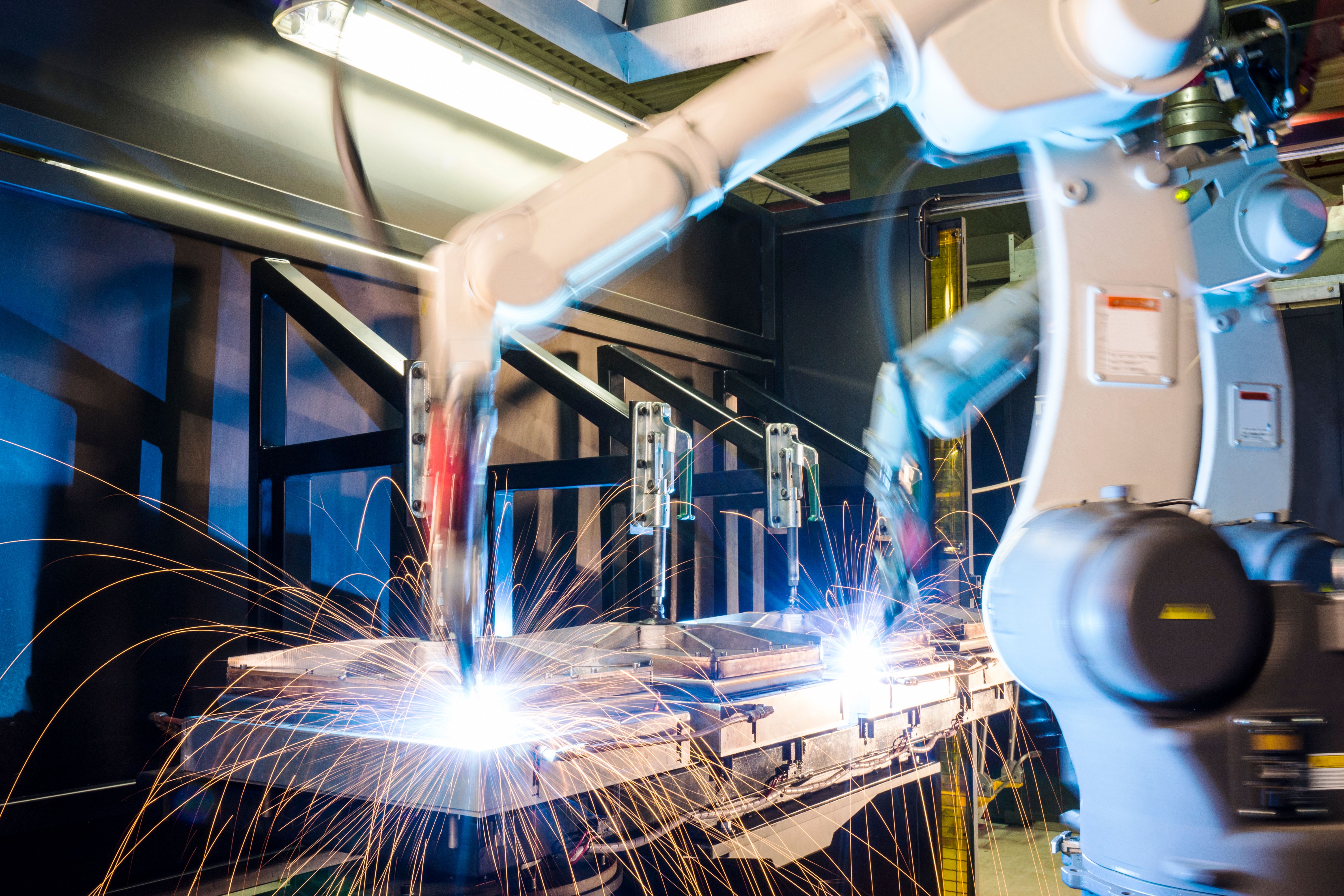
Investing in the latest technology was a critical step. By integrating advanced machinery and automation, factories were able to increase output and reduce downtime. This also led to more consistent product quality and reduced waste.
Workforce Training
Another significant component of the improvement strategy was workforce training. Employees received extensive training on new equipment and processes, which empowered them to operate more efficiently and safely.

Results and Impact
The implementation of these process improvements has led to substantial benefits. Factories in Newton County have reported a 30% increase in productivity and a 20% reduction in operational costs. These improvements have also had a positive impact on employee morale and job satisfaction.
Environmental Benefits
In addition to economic gains, the process improvements have also contributed to environmental sustainability. By reducing energy consumption and minimizing waste, factories have decreased their carbon footprint, aligning with global sustainability goals.

Lessons Learned
The successful implementation of process improvements in Newton County provides valuable lessons for other manufacturing facilities. Key takeaways include the importance of investing in technology, prioritizing employee training, and focusing on sustainability. These elements are crucial for achieving long-term success and competitiveness in the industry.
Overall, the case study of Newton County factories illustrates the transformative power of strategic process improvements. By addressing core challenges and embracing innovation, manufacturing facilities can achieve remarkable enhancements in efficiency and sustainability.